Common flashing failures
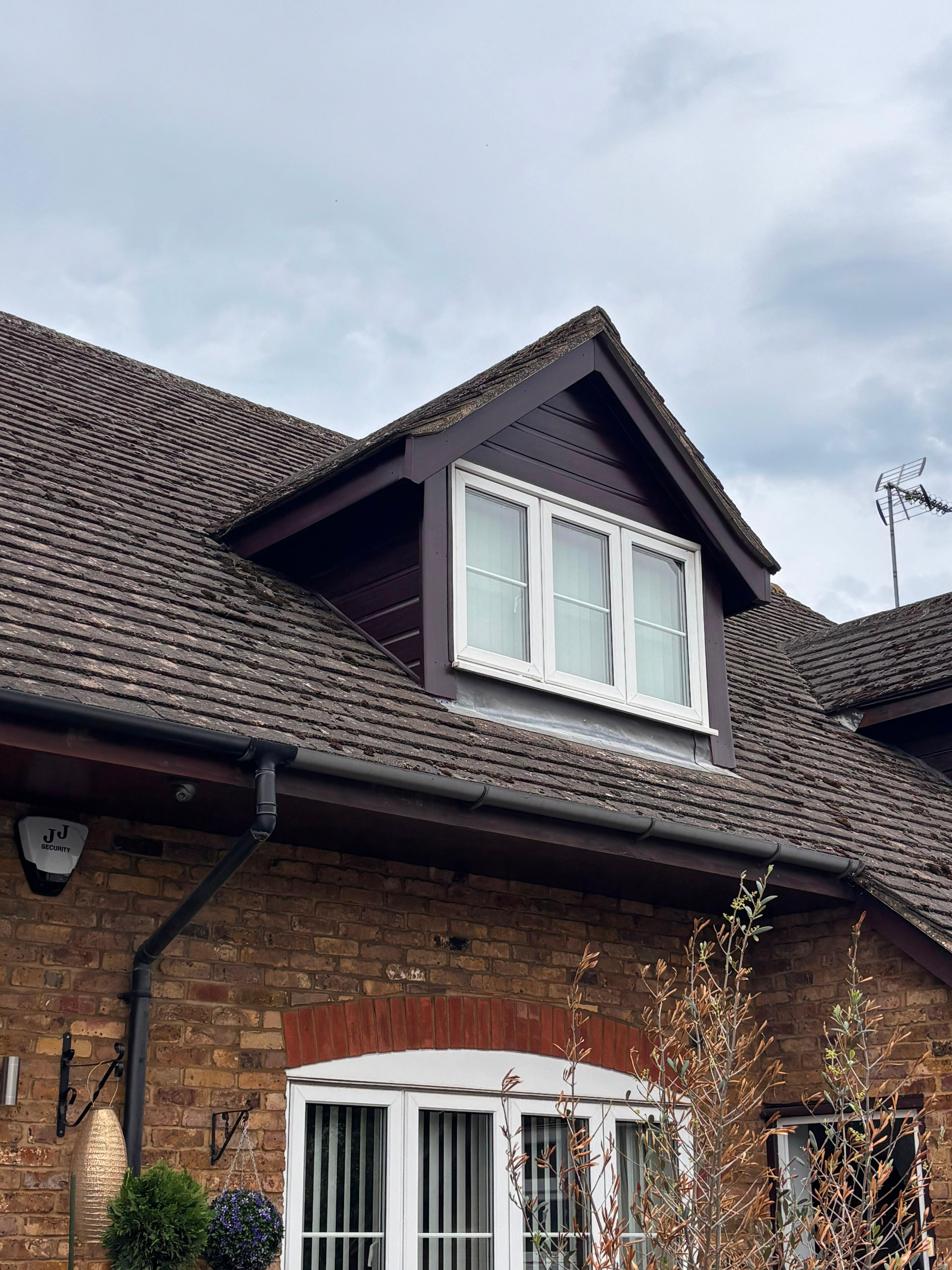
We see lifted edges, failed mortar chases, short laps, splits at movement points and previous patch repairs that direct water behind the lead.
Keep junctions watertight
Chimneys, roof abutments and bay roofs depend on correctly detailed flashing. Split, lifted or poorly chased lead can let water travel into ceilings and chimney breasts.
Get a photo quote on WhatsApp
What to expect
We see lifted edges, failed mortar chases, short laps, splits at movement points and previous patch repairs that direct water behind the lead.
A local defect may need resecuring or a targeted piece. Thin, badly split or incorrectly detailed flashing is usually better renewed so the repair has a reliable weathering path.
Chimney work often needs scaffold or another planned access system. Photos help us assess the likely scope, but safe access is confirmed before a fixed quotation.
Included in the scope
Questions, answered
Sealant is rarely a durable substitute for correctly fitted lead and sound mortar detailing.
Flashing is a common cause, but pots, caps, masonry and condensation also need consideration.
Often it does, particularly around chimneys. The access method depends on height and roof layout.
Start with a photo
Send a close-up, a wider view of the elevation and your postcode. We will tell you what can be priced remotely.
WhatsApp photo quote